
Maintaining healthy and clean carpets in Duluth, GA, requires a specialized technical approach due to the region’s unique high-humidity climate and seasonal red clay and pollen surges. Standard vacuuming fails to remove the 74–79% of particulate soil that becomes deeply embedded in fiber backings, leading to “re-suspension” of allergens into the breathing zone. This guide explores the science of Hot Water Extraction (HWE), the molecular impact of iron-oxide-rich Georgia red clay on synthetic fibers, and the critical role of IICRC-certified thermal disinfection in ensuring residential indoor air quality. For Duluth residents, Carpet Cleaning by ATL Clean offers a proprietary gold-standard process—utilizing 220°F+ truck-mounted systems and pH-balanced restoration—to neutralize microbial growth and extend carpet life.
Why Duluth Carpets Require Technical Intervention
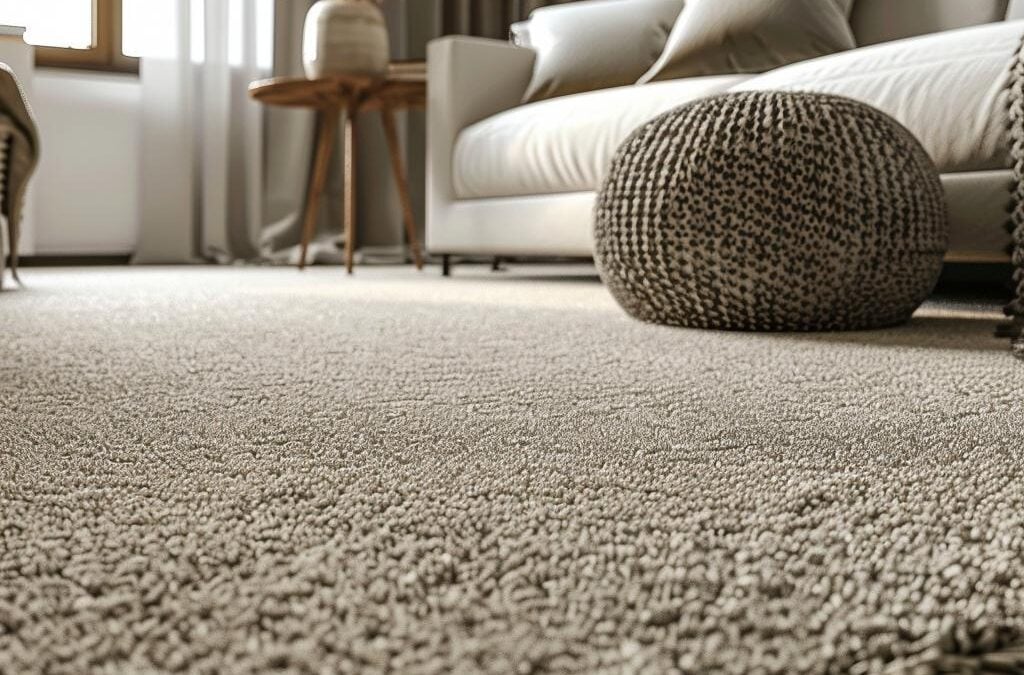
Carpeting serves as the largest supplemental air filter in a Duluth home. However, unlike a mechanical HVAC filter, a carpet’s “holding capacity” is often invisible to the naked eye. In Gwinnett County, where the humid subtropical climate facilitates the rapid proliferation of dust mites and mold spores, this filter can quickly become a reservoir for pollutants.
When carpets reach their saturation point, every footstep triggers a plume of microscopic pollutants back into the air—a phenomenon known as re-suspension. For the nearly 20% of the population suffering from respiratory sensitivities, this creates a constant “bio-burden” that standard household cleaning cannot address.
The Georgia Red Clay Dilemma
Duluth’s soil is primarily composed of Georgia Red Clay, which is chemically distinct and physically more aggressive than standard topsoil. Rich in iron oxide and highly abrasive, these fine particles act like microscopic sandpaper against carpet fibers.
When clay particles are ground into nylon or polyester fibers by foot traffic, they cause permanent structural damage known as “traffic lane graying.” This is not merely a stain; it is physical scarring of the fiber surface that alters light refraction. Without professional chemical emulsification, these particles remain “velcroed” to the fiber, accelerating the wear and tear of the carpet.
Humidity and Microbial Proliferation
With Duluth’s average summer humidity frequently exceeding 70%, carpets can trap moisture from the air. This creates a micro-environment within the padding that is conducive to Aspergillus and Penicillium mold growth.
According to the IICRC S100 Standard, if a carpet remains damp for more than 24–48 hours after a carpet cleaning, it becomes a primary breeding ground for microbial colonies. This is why DIY rental machines, which lack the suction power to remove deeply trapped water, often do more harm than good in the Georgia climate.
Professional Extraction vs. Consumer Rental Systems
| Feature | Consumer Rental / DIY | ATL Clean Professional System |
| Water Temperature | 100°F – 120°F (Tap water) | 220°F+ (Truck-mounted Steam) |
| Suction Power | Single-stage electric motor | High-lift dual-stage vacuum |
| Residue Profile | High (Soap-based) | Zero (Acidic rinse/Neutralizers) |
| Drying Time | 24–48 Hours | 2–4 Hours |
| Microbial Kill Rate | Low/Negligible | High (Thermal Disinfection) |
| Soil Removal % | Approx. 30-40% | Up to 99% of particulates |
Breaking Down the Molecular Bond
To effectively restore a carpet, professional technicians must address the T.A.C.T. principle of restoration:
-
Temperature: Heat is a catalyst that breaks the molecular bonds between oily soils and fibers. For every 18-degree increase in water temperature above 118°F, the chemical effectiveness of the cleaning solution doubles.
-
Agitation: Mechanical action is required to ensure the pre-conditioner reaches the base of the pile, especially for dense Georgia carpets.
-
Chemical: Using the correct pH-balanced agents—alkaline for heavy grease and acidic rinses to prevent “browning” and fiber stiffness.
-
Time: “Dwell time” allows the enzymes to encapsulate pollutants before extraction occurs.
In Duluth’s allergy season (typically March through May), the focus shifts to denaturing proteins. Pollen and pet dander are protein-based allergens. Professional-grade surfactants are designed to break these proteins down at a molecular level, rendering them inert so they no longer trigger an immune response in residents.
Preparing for a Georgia Spring
As we approach the spring season in Gwinnett County, the “Pollen Vortex” becomes a significant health concern. Pine and oak pollen levels in the Atlanta metro area can reach staggering counts. These yellow dust particles are oily and adhesive; they stick to shoes and are tracked into homes, bonding with the carpet fibers.
Winter Salt and Grime: During the cooler months, de-icing salts and winter soot accumulate. If left until summer, the heat and humidity will “set” these stains. A late-winter or early-spring deep clean is the optimal window to reset the home’s hygiene baseline before the high-pollen counts arrive.
Guidelines for Duluth Households
The EPA (Environmental Protection Agency) and the IICRC provide specific guidelines for cleaning frequency based on the home’s environment and the local climate’s “Contamination Rating.”
| Household Type | Vacuuming Frequency | Professional Cleaning (Duluth) |
| Adults, Non-Smokers | 1-2 times weekly | Every 12 months |
| Families with Children | 2-4 times weekly | Every 6 months |
| Families with Pets | Daily | Every 3-6 months |
| Large Families / Smoking | Daily | Every 2-3 months |
Frequently Asked Question
1. How does Duluth’s humidity affect carpet drying times?
High local humidity can stall evaporation. Professionals use high-velocity air movers and truck-mounted vacuum systems that remove 95% of the moisture, ensuring carpets dry within 2–4 hours rather than days, preventing mold.
2. Can “Green” cleaning products actually remove Georgia red clay?
Yes. Modern bio-enzymatic cleaners are formulated to break down the iron-oxide bonds in red clay without using harsh perchloroethylene, making them safe for pets and children.
3. Why is IICRC certification important for Duluth homeowners?
The Institute of Inspection, Cleaning and Restoration Certification (IICRC) sets the global standards for floor care. Certified technicians understand the fiber identification and chemistry required to avoid shrinking or bleaching your specific carpet type.
4. Does steam cleaning kill dust mites?
Yes. Dust mites cannot survive temperatures above 130°F. Professional truck-mounted systems reach upwards of 220°F, effectively neutralizing dust mite populations and their waste products.
5. Will professional cleaning remove the “dog smell” during humid Georgia summers?
Persistent odors are often trapped in the padding. A professional “sub-surface” extraction targets the source of the odor—usually uric acid or bacteria—rather than just masking it with perfumes.
6. Is it worth cleaning old carpets, or should they be replaced?
If the “ugly-out” is caused by soil, a professional restoration can save the carpet. However, if the fibers are physically worn (frayed), cleaning will sanitize them but cannot restore the physical structure.
The Gold Standard: Carpet Cleaning by ATL Clean
While understanding the science of carpet care is vital, the execution requires industrial-grade technology. Carpet Cleaning by ATL Clean has established itself as the premier service provider in Duluth, GA, by adhering to a rigorous, multi-stage restoration protocol that exceeds standard cleaning “passes.”
The ATL Clean Proprietary Process
ATL Clean does not utilize “one-size-fits-all” methods. Their process is tailored to the specific fiber types found in modern Duluth homes:
-
High-Filtration Pre-Vacuuming: Removing dry particulate soil before it turns into “mud” during the wet phase.
-
Specific Soil Pre-Conditioning: Application of non-toxic, alkaline agents to emulsify oils and clay.
-
Mechanical Agitation: Using specialized brushes to ensure the solution penetrates the dense carpet pile common in Georgia residences.
-
Truck-Mounted Hot Water Extraction: Utilizing high-heat (220°F+) to thermally disinfect the carpet while extracting pollutants into a waste tank outside the home.
-
Acidic pH Balancing: A crucial step that neutralizes the carpet, leaving it soft and preventing the “crunchy” residue that attracts new dirt.
Certifications and Local Trust
Carpet Cleaning by ATL Clean maintains a focus on technician expertise. By employing staff trained in IICRC standards, they ensure that every home in Duluth receives a scientifically backed cleaning. Their commitment to the local community is reflected in their use of EPA-approved, eco-friendly solutions that are safe for children and pets.
Why Duluth Chooses ATL Clean
-
Localized Expertise: They understand the specific challenges of Georgia red clay and southern humidity.
-
Health-First Approach: Their systems are designed to significantly reduce the bio-burden (allergens and bacteria) in the home.
-
Advanced Equipment: Their truck-mounted units provide a level of suction and heat that portable or rental units simply cannot match.
Conclusion
In the humid, pollen-heavy environment of Duluth, Georgia, carpet care is more than an aesthetic choice—it is a fundamental component of indoor environmental health. The combination of abrasive red clay and moisture creates a unique set of challenges that standard household cleaning cannot overcome. By utilizing the T.A.C.T. principles of restoration and high-heat hot water extraction, homeowners can remove 99% of trapped particulates and neutralize microbial growth.
Choosing a certified professional like Carpet Cleaning by ATL Clean ensures that your carpets are not only visually refreshed but also scientifically sanitized. Whether you are preparing for the Georgia spring pollen or restoring your floors after a humid summer, professional intervention is the only way to truly reset your home’s air filter and protect your investment.