
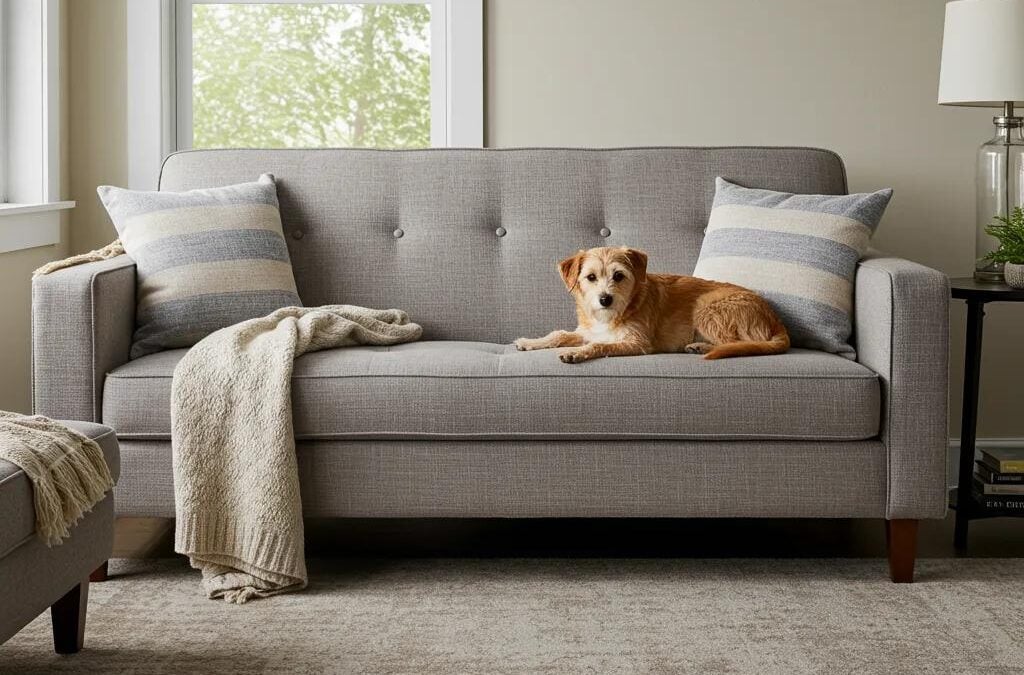
Upholstery Cleaning in Duluth, GA, involves a systematic engineering approach to remove deep-seated pollutants from furniture fibers. Professional restoration requires more than superficial wiping; it necessitates the precision application of heat, chemistry, and high-velocity extraction. Upholstery Cleaning by ATL Clean utilizes advanced textile science to penetrate the weave of sofas, sectionals, and armchairs without compromising the internal structural padding. This technical guide outlines the specific phases required to achieve a “Healthy Home” standard in the Gwinnett County climate.
Maintaining furniture in the 30096 area presents unique challenges due to regional environmental factors. High humidity and high pollen counts mean that local upholstery acts as a massive filter for airborne irritants. Carpet Cleaning by ATL Clean provides a specialized methodology designed to neutralize these contaminants at the molecular level. By following a strict technical protocol, technicians ensure that every fabric type—from synthetic microfiber to natural cotton blends—receives the exact chemical balance required for total soil suspension and recovery.
Community Context & Climate
Georgia environmental variables dictate the frequency and intensity of upholstery maintenance. The high humidity levels characteristic of the Duluth area facilitate the absorption of moisture into furniture textiles. When organic oils from skin contact combine with this moisture, they create a “sticky” residue that attracts dust and microscopic soot. Upholstery Cleaning by ATL Clean addresses this by using industrial-grade low-moisture equipment that ensures furniture dries within a specific 4-to-6-hour window, preventing any potential for microbial growth.
Pollen season in Duluth introduces high volumes of abrasive particulates into residential living spaces. These yellow pine and oak pollens are exceptionally fine and settle deep within the fabric weave. Every time a resident sits on the furniture, these pollens grind against the fibers, causing mechanical wear that dulls the appearance of the textile. Professional extraction during the peak spring months is the only effective way to flush these sharp-edged particles out of the furniture lattice.
Local red clay soil is another critical variable for Duluth properties. The iron-rich clay of Gwinnett County can cause permanent discoloration if not treated with the correct pH-balanced emulsifiers. ATL Clean technicians understand the chemical bond that occurs between iron-oxide and natural fibers. The “How-To” of regional stain removal involves specific pre-treatments that release the clay’s grip on the fabric without causing the color to bleed. This localized knowledge is essential for properties near the Chattahoochee River or local parks where red clay tracking is unavoidable.
High-traffic households in Peachtree Corners and Johns Creek often experience faster soil accumulation. Upholstery in these areas must withstand the rigors of family life, including spills from food and beverages. A technical approach to cleaning ensures that these proteins and tannins are removed without leaving a ring or damaging the delicate dye of the fabric. ATL Clean prioritizes fiber stability throughout the entire restoration process.
The Professional Upholstery Cleaning Process (How-To)
Professional excellence at Carpet Cleaning by ATL Clean is the result of over 30 years of industry experience. Jaime Hernandez and the technical team follow a strict multi-phase protocol to ensure consistent results. This “One Call Service” approach addresses every variable from fiber type to odor neutralization.
Step 1: Fiber Identification and Testing
Technicians begin by identifying the fabric composition. Natural fibers like wool or silk require lower heat and specific pH-neutral solutions, while synthetic fibers like nylon or polyester can withstand higher temperatures. A “burn test” or chemical reaction test is performed on an inconspicuous area to ensure colorfastness. Testing ensures that the integrity of the furniture is never compromised.
Step 2: High-Efficiency Dry Soil Recovery
Industrial HEPA vacuuming is used to remove up to 80% of loose debris. This step focuses on the crevices, cushion undersides, and pleats where dust mites and pet dander accumulate. Removing dry soil before adding moisture prevents the creation of “mud” within the fabric weave. This recovery phase is critical for maintaining a healthy indoor environment.
Step 3: Chemical Pre-Conditioning
Eco-friendly surfactants are applied to the fabric. These agents are designed to emulsify body oils, food grease, and atmospheric soot. The solutions used by ATL Clean are hospital-grade and registered as safe for children and pets, ensuring a non-toxic environment after the cleaning is complete. Surfactants effectively break the bond between the dirt and the fiber.
| Phase | Technical Objective | Equipment Used |
| Pre-Spray | Emulsification of oils | Pressurized Sprayer |
| Agitation | Soil suspension | Soft-bristle Upholstery Brush |
| Extraction | Contaminant recovery | Low-moisture Hand Tool |
| Sanitization | Microbial neutralization | Hospital-grade Disinfectant |
| Drying | Moisture removal | High-velocity Air Mover |
Step 4: Mechanical Agitation
A soft-bristle brush is used to gently massage the pre-conditioning agent into the fibers. This ensures the solution reaches the entire circumference of the yarn, breaking the surface tension that holds dirt in place. Agitation is performed with precision to avoid pilling or fraying of the textile.
Step 5: Thermal Extraction and Rinse
High-heat steam is injected into the fabric and immediately recovered via high-powered suction. This “flush” removes the suspended soil and the cleaning agent simultaneously. A pH-balanced rinse is used during this phase to ensure no “crunchy” residue is left behind, leaving the fabric soft to the touch. The extraction process is the core of the restoration.
Step 6: Post-Extraction Inspection and Grooming
Technicians perform a final walkthrough to ensure all spots and stains have been successfully addressed. A specialized upholstery brush is used to set the nap of the fabric, ensuring uniform drying and a professional appearance. This final touch differentiates a standard clean from a premium restoration.
Localized Heritage & Proximity
Carpet Cleaning by ATL Clean has served the Duluth community since 1989. This long-term presence has allowed the company to develop a deep understanding of the architectural trends in Gwinnett County, from the classic upholstery styles found in historic homes near the Southeastern Railway Museum to the modern performance fabrics used in newer developments.
Local landmarks serve as the geographic anchors for the company’s daily service routes. Technicians frequently operate near the Gas South Arena, providing upholstery restoration for homes that see high guest traffic during regional events. The company also maintains a strong presence in the neighborhoods surrounding McDaniel Farm Park, where pet-owning families often require frequent odor and stain removal services.
Proximity to the Peachtree Corners and Johns Creek borders allows the ATL Clean team to deploy rapidly to any location in the 30096, 30097, and 30024 zip codes. By remaining a family-owned and operated small business, the team provides a level of accountability and detail that national franchises cannot match. Every job is backed by a 100% satisfaction guarantee, ensuring that Duluth residents receive the highest standard of care for their interior investments.
Map Narrative & Directions
Navigating from a central Duluth landmark like the Gwinnett County Public Library (Duluth Branch) to the primary service zone is a straightforward process. Starting on Main Street in Downtown Duluth, a traveler should head southeast toward Duluth Highway (GA-120). This area represents the historic heart of the city where many residents rely on professional upholstery care to maintain antique and high-end furniture.
Turn right onto GA-120 and proceed southwest toward the intersection with Peachtree Industrial Boulevard. This major artery connects Duluth with the residential hubs of Peachtree Corners and Dunwoody. The ATL Clean service vehicles utilize these main roads to ensure timely arrivals for all furniture cleaning appointments.
To reach the specific area of Alpine Way, continue on GA-120 until you reach the suburban neighborhoods south of the main commercial district. The route weaves through the residential heart of the 30096 area, crossing major intersections that characterize the Duluth landscape. This strategic location allows the team to provide “One Call Service” to residents in Lawrenceville and Johns Creek with minimal travel time, ensuring that professional upholstery care is always accessible to the community.
Technical FAQ & Conclusion
How do I prepare my sofa for professional cleaning? Homeowners should clear all personal items and small breakables from the furniture and provide a clear path for the technicians to reach the sectional.
Can you clean delicate “dry clean only” fabrics? Yes, Carpet Cleaning by ATL Clean uses specialized low-moisture tools and pH-neutral solutions safe for “S” coded upholstery.
Will professional cleaning remove pet urine odors? Enzymatic treatments are applied to digest the organic proteins in pet accidents, neutralizing the odor at the source.
How does Duluth humidity affect the drying process? High-velocity air movers are used to counteract Georgia humidity, ensuring most pieces are dry within a few hours.
Is the cleaning process safe for household pets? All cleaning solutions are non-toxic, hospital-grade, and safe for cats, dogs, and small children.
What is the “One Call Service”? This allows residents to schedule carpet, rug, and upholstery cleaning in a single visit for maximum efficiency.
How often should I clean my dining room chairs? High-contact seating should be professionally cleaned every 12 months to prevent oil buildup.
Can you remove red clay stains from a white sofa? Specific iron-oxide emulsifiers are used to lift Georgia red clay without damaging the fabric.
Do you offer services in Johns Creek and Dunwoody? Yes, the service area includes Duluth, Johns Creek, Dunwoody, Peachtree Corners, and Lawrenceville.
Is a 100% satisfaction guarantee provided? Jaime Hernandez and the ATL Clean team stand by every job, ensuring the results meet the highest professional standards.
Maintaining your home’s furniture is a technical necessity that extends the life of your textiles and protects your family’s health. Carpet Cleaning by ATL Clean remains the premier choice for Duluth residents seeking an expert, reliable, and affordable upholstery cleaning solution.
Carpet Cleaning by ATL Clean 2524 Alpine Way, Duluth, GA 30096, USA
Technical Glossary
| Industry Term | Localized Definition |
| Emulsification | The chemical process used to break down the body oils common in Duluth’s humid environment. |
| Surfactant | A cleaning agent that lowers water tension to reach deep into the upholstery weave. |
| HEPA Recovery | High-efficiency vacuuming used to capture fine Georgia pine pollen. |
| Low-Moisture Extraction | A method of rinsing furniture that prevents over-wetting in humid climates. |
| Enzymatic Neutralizer | A biological agent used to safely break down organic pet odors and stains. |