
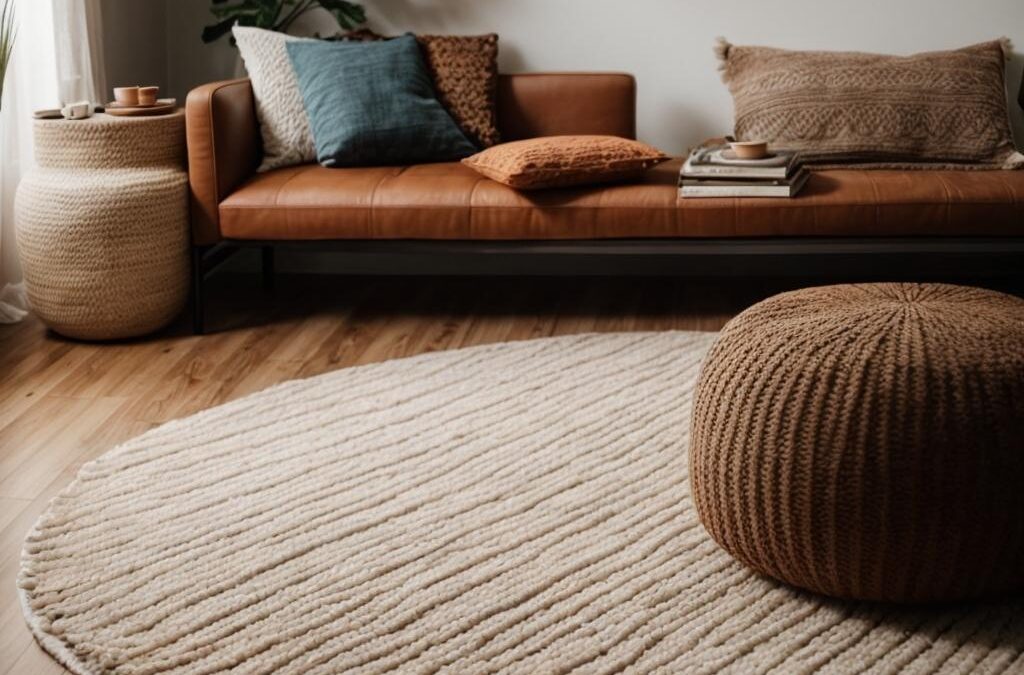
How to Clean an Area Rug starts with consistent maintenance, including weekly vacuuming and immediate spot treatment using manufacturer-recommended cleaning methods. For deeper cleaning, ATL Clean’s professional cleaning technicians use truck-mounted extraction systems to remove embedded Georgia red clay, dirt, and allergens. Combining proper at-home care with professional cleaning helps preserve rug fiber integrity, prevent premature wear, and extend the rug’s lifespan.
Key Takeaways
- Weekly vacuuming removes loose particles before they migrate deep into the rug’s backing.
- Heavy furniture compresses rug fibers permanently without rug protectors under table and sofa legs.
- Direct sunlight exposure fades colors over time, leaving uneven patches that no cleaning restores.
- A musty or stale odor from a rug confirms the presence of moisture and organic debris deep in the pile.
What tools and habits protect area rugs daily?
Daily protection of an area rug requires specific tools and consistent habits. A high-quality vacuum with adjustable suction prevents fiber damage while removing surface debris. Without these practices, embedded grit acts like sandpaper against the pile, accelerating wear that shortens the rug’s lifespan by years.
What vacuuming routine works best for area rugs?
Weekly vacuuming removes loose particles before they migrate deep into the backing. Dust and dirt settle into fibers where they remain invisible, particularly in colorful or patterned rugs. The Home Depot recommends examining the rug closely rather than relying on appearance alone. A quick test involves rubbing a high-traffic spot: rough, matted texture signals trapped soil that routine vacuuming missed.
How do furniture and sunlight damage area rugs?
Heavy furniture compresses rug fibers permanently. Place rug protectors under table and sofa legs to distribute weight and prevent pile flattening. Safavieh advises rotating the rug every few months to relieve areas from excessive wear. Sunlight presents another threat. Direct exposure fades colors over time, leaving uneven patches that no cleaning restores. Window treatments or UV-blocking film preserve the rug’s original vibrancy.
Does humidity affect rug durability?
Excessive moisture breaks down the cotton warp and weft foundation of many area rugs. Long-term exposure to humid conditions causes structural deterioration that professional restoration cannot reverse. Homeowners in North Atlanta face this risk during summer months. Dehumidifiers maintain stable indoor conditions and protect the rug’s internal construction.
Professional intervention becomes necessary when daily care reaches its limit. ATL Clean addresses deep-seated contaminants through technical extraction methods that standard equipment cannot replicate. The company’s approach to carpet care during high-traffic months extends to area rugs, with certified technicians identifying when fibers require treatment beyond homeowner maintenance.
How to clean an area rug safely at home?
Learning how to clean area rugs safely at home begins with a thorough assessment of the rug’s condition and material composition, whether the goal is to spot clean an area rug or tackle a full deep clean. Homeowners who skip this diagnostic phase risk permanent fiber damage, color bleeding, or shrinkage that no amount of re-stretching can reverse. The process demands patience and the right technique for each rug type.
How can you tell when an area rug needs deep cleaning?
Visual and tactile tests reveal hidden soil long before a rug looks dirty. Pick up a corner of the rug and drop it. A cloud of dust signals that vacuuming alone no longer reaches the embedded debris. Examine the surface for areas that appear darker or uneven in color compared to less-trafficked sections. Run a hand over high-traffic spots. Fibers that feel rough, matted down, or sticky indicate the rug is holding dirt and residue deep within the pile. A musty or stale odor confirms the need for immediate attention.
What should homeowners check before cleaning any area rug?
Manufacturer labels provide the only reliable guide to safe cleaning methods. Area rugs come in a wide variety of yarns and material blends, each with distinct care requirements. The label specifies whether water extraction, dry compounds, or solvent-based cleaners are appropriate. Small cotton rugs and rugs explicitly marked as washable may tolerate a washing machine and dryer cycle. For all other rugs, the manufacturer’s instructions override any general advice. Ignoring these guidelines leads to dye migration, backing delamination, and irreversible texture changes.
The cleaning method itself follows a logical sequence. First, remove loose soil with a vacuum set to the correct pile height. Next, test any cleaning solution on an inconspicuous corner. Apply the cleaner sparingly and work it in the direction of the nap. Rinse thoroughly if the label permits water exposure. Extract as much moisture as possible using a wet-dry vacuum or absorbent towels. Dry the rug completely, elevated off the floor to allow airflow on both sides. Rushing the drying stage invites mildew and persistent odors that professional restoration must later address.
When should you call a professional rug cleaner?
Professional rug cleaning becomes necessary when visible signs of deep soiling appear and standard home methods fall short. Area rugs often function as high-efficiency air filters, trapping airborne pollutants, Georgia red clay, and biological allergens within their dense fibers. Over time, this accumulation degrades both appearance and indoor air quality. A rug that releases a dust cloud when a corner is dropped signals embedded contamination. Darkened or uneven color patches indicate trapped grime that household vacuums leave behind.
Rugs in high-traffic zones develop matted, rough textures that no amount of vacuuming reverses. A musty or stale odor confirms the presence of moisture and organic debris deep in the pile. These conditions demand technical extraction methods that restore textiles to a clean, vibrant, and structurally sound state.
What makes professional cleaning different from DIY methods?
Specialized area rug cleaning addresses the unique environmental challenges of Gwinnett County. The process provides a deep clean that standard residential equipment cannot achieve. ATL Clean utilizes truck-mounted systems and commercial-grade tools to extract contaminants that rental machines may leave behind. Its experienced cleaning technicians use appropriate cleaning methods and equipment to address different rug materials and levels of soiling.
How does professional cleaning protect a rug investment?
Improper cleaning techniques cause color bleeding, fiber damage, and shrinkage. Professional service eliminates these risks through controlled moisture levels and pH-balanced solutions matched to specific rug materials. ATL Clean backs every job with a 24-Hour Fix Policy, ensuring any overlooked detail receives prompt correction. A transparent, no-hidden-fees approach gives homeowners clear expectations before work begins. For rugs needing comprehensive fiber restoration, professional carpet cleaning extends the same certified expertise to wall-to-wall installations throughout North Atlanta homes.
What are common DIY mistakes to avoid?
Common DIY mistakes when learning how to clean an area rug damage fibers and shorten the textile’s lifespan. Homeowners who skip professional methods risk permanent discoloration, fiber breakdown, and voided manufacturer warranties. The wrong approach turns a valuable floor covering into an expensive replacement project.
Why does aggressive scrubbing ruin rug fibers?
Vigorous scrubbing forces dirt deeper into the pile rather than lifting it out. The friction abrades delicate wool and silk fibers. Matting and texture loss follow quickly. Once fibers lose their natural resilience, no amount of vacuuming restores the original feel underfoot.
What happens when creases are ignored after unrolling a new rug?
Packing and shipping cause temporary creases in area rugs. Leaving these creases untreated allows them to set permanently into the backing. The correct method involves back-rolling or reverse-rolling the rug and allowing time for the creases to relax naturally. Heat and moisture accelerate the process. Skipping this step leaves visible ridges that furniture placement cannot hide.
Several other missteps compound the damage:
- Over-wetting the rug saturates the backing and promotes mold growth within 48 hours.
- Using off-the-shelf spot cleaners introduces harsh chemicals that strip natural oils from wool fibers.
- Drying a rug flat on the floor traps moisture underneath and invites mildew into the subfloor.
- Neglecting rotation concentrates wear patterns in high-traffic zones, creating uneven fading.
ATL Clean technicians follow proven processes and bring commercial-grade equipment, including truck-mounted systems, to every job. The company’s background-checked, uniformed, and insured crews eliminate guesswork. Same-crew continuity builds familiarity with client preferences across a 20-mile service radius centered on Lawrenceville and Dacula. Homeowners who attempt aggressive DIY fixes often call for restoration after the damage is done. Professional extraction methods preserve both appearance and structural integrity.
FAQ
How often should I vacuum my area rug?
Weekly vacuuming removes loose particles before they migrate deep into the rug’s backing.
What causes permanent damage to area rug fibers?
Heavy furniture without protectors, aggressive scrubbing, and untreated moisture cause permanent fiber damage.
How do I know when my area rug needs professional cleaning?
A cloud of dust signals that vacuuming alone no longer reaches the embedded dirt.
Conclusion
For homeowners in North Atlanta, the decision to call a professional cleaner follows a clear threshold: when a dropped rug corner releases a dust cloud, when high-traffic areas feel matted, or when a musty odor signals moisture trapped deep in the pile. These signs confirm that household methods no longer reach the embedded contamination. Professional extraction, combined with appropriate cleaning methods and careful moisture control, helps restore appearance and indoor cleanliness while protecting the rug investment from the irreversible damage that aggressive scrubbing, over-wetting, and improper drying can cause.