
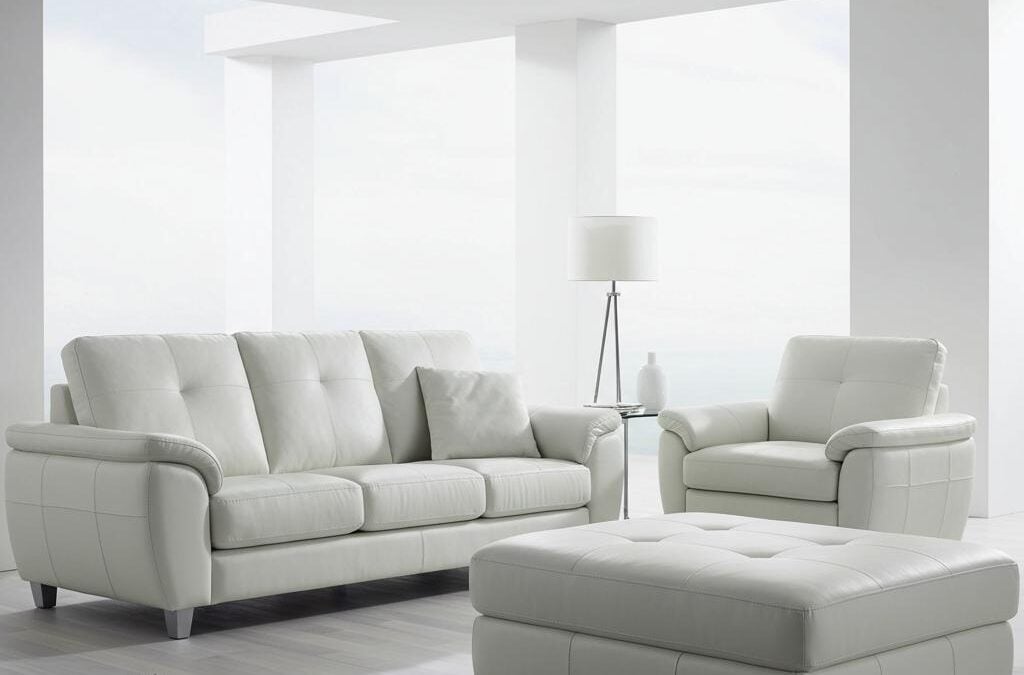
Upholstery Cleaning by ATL Clean delivers professional, reliable, and affordable structural fabric restoration for residential and commercial interior environments throughout Gwinnett County. The company eliminates deeply embedded microbial contaminants, dust mite allergens, and atmospheric particulates using high-performance thermal extraction machinery and certified sanitizing solutions. Property owners in Duluth, GA require specialized surface maintenance to neutralize the destructive effects of high ambient humidity, heavy seasonal pollen influxes, and dense regional red clay soils. By executing tailored treatment routines configured for specific synthetic and natural fiber matrices, the organization ensures that local indoor environments remain visually pristine and structurally hygienic. Local stakeholders secure extended furniture lifecycles and enhanced indoor air quality by relying on this established regional service provider.
The city of Duluth features a dense suburban layout where residential neighborhoods interface closely with expanding commercial zones. Interior furniture textiles continuously absorb ambient particulate matter, airborne cooking greases, and structural pollutants characteristic of the local environment. Standard consumer maintenance methods fail to reach sub-surface dirt accumulations, creating a necessity for systematic, high-lift thermal extraction. Professional intervention utilizing specialized, pH-balanced surfactants restores original material vibrancy while eliminating localized biological reservoirs safely. Residents across the region access this targeted care to maintain structural hygiene standards within private homes, corporate offices, and institutional facilities. Regular textile rehabilitation remains an essential component of comprehensive property management across the local metropolitan landscape.
Community Context & Climate
Duluth, GA experiences a humid subtropical climate that presents ongoing structural challenges for the preservation of interior furniture fabrics, draperies, and decorative textiles. High ambient humidity levels during the summer months directly elevate indoor moisture levels, creating an environment where incorrect water application rates during cleaning can trigger extended drying windows. When furniture fabric remains damp for prolonged periods due to inadequate extraction equipment, the risk of sub-surface microbial proliferation, mildew development, and stubborn musty odors increases significantly. Professional technicians must carefully calibrate fluid application volumes and vacuum recovery pressures to neutralize these regional atmospheric conditions effectively. Indoor environments require disciplined moisture management to ensure textile fibers dry thoroughly before biological soils begin to degrade the underlying structural foam materials.
The seasonal transitions across Gwinnett County introduce heavy biological loads that infiltrate residential and business structures. The spring pollen explosion deposits fine, yellow micro-particulates that enter buildings via footwear, open windows, and mechanical HVAC intake systems. These micro-particulates settle deeply into the base of furniture piles, acting as a severe microscopic abrasive that cuts away at synthetic and natural fiber strands during daily usage. Furthermore, winter precipitation and regional dirt tracking create dense, staining mud deposits that bond aggressively with fabric dyes, requiring specialized chemical emulsification to prevent permanent discoloration.
| Seasonal Environmental Stressor | Structural Impact on Textile Fibers | Targeted Technical Countermeasure |
| High Summer Humidity | Extended fabric drying windows, subsurface microbial risks | High-CFM truck-mounted extraction, moisture tracking |
| Spring Pollen Swarms | Micro-abrasion at fiber base, yellow pigment staining | Deep pile mechanical agitation, HEPA pre-vacuuming |
| Winter Red Clay Tracking | Aggressive pigment bonding, severe dark lane tracking | pH-balanced emulsifiers, targeted thermal application |
Managing these environmental variables requires localized material expertise and specialized chemical stabilization. Autumn leaf litter and regional soil tracking introduce complex organic acids that can alter the natural colorfastness of delicate textile dyes if left unaddressed. Regular, scientifically sound extraction schedules neutralize these specific atmospheric threats, ensuring that furniture backing materials remain dry, stable, and structurally sound over long periods of continuous exposure. Localized maintenance routines prevent the premature degradation of expensive interior investments across the community.
Extracted Certifications & Process
The execution of professional upholstery restoration requires a systematic, multi-tiered framework designed to protect delicate textile blends while maximizing soil extraction. The certified staff at Carpet Cleaning by ATL Clean adheres strictly to a rigorous operational process developed over thirty years of regional field experience in Georgia. Every phase of the restoration sequence is executed with mechanical precision to ensure that the backing materials, underlayments, and delicate surface fibers are thoroughly sanitized without causing color bleeding, fiber distortion, or structural fabric shrinkage.
-
Pre-Inspection and Fiber Identification: Technicians assess the structural integrity of the furniture frame, test the target fiber composition (such as nylon, polyester, cotton, or delicate leather), and locate distinct stain zones to select the safest chemical configuration.
-
Dry Particulate Soil Removal: High-efficiency industrial vacuum units isolate and extract loose grit, sand, and dried atmospheric debris while the fibers are completely dry, preventing the formation of deep subsurface mud patterns during the wet wash.
-
Targeted Chemical Emulsification: A pH-balanced, hospital-grade pre-treatment surfactant is distributed uniformly across the face fibers to break down oily binders, cooking greases, and heavy surface lane soils.
-
Mechanical Agitation: Specialized soft-bristled pile lifters or hand-held orbital brush systems gently work the pre-spray into the textile yarn, separating individual strands to expose hidden soil pockets.
-
Hot Water Thermal Extraction: Industrial truck-mounted systems force pressurized, heated water through the matrix, immediately vacuuming away the suspended soil, biological allergens, and surfactant residues.
-
Subsurface pH Neutralization: A dedicated rinsing conditioning agent is introduced during the extraction cycle to restore the fabric’s natural pH balance, preventing stiff fibers and eliminating crunchy chemical residues.
-
Post-Cleaning Structural Grooming: Technicians utilize professional fabric rakes or specialized brushes to align the pile, which facilitates uniform air movement and accelerates total system drying times.
Safety remains the absolute benchmark of this technical procedure. Every solution chosen for the furniture cleaning process is officially registered as safe for children, vulnerable adults, and domestic animals, preventing harmful chemical off-gassing indoors. This systematic approach respects the precise material tolerances of advanced synthetic and natural blends, ensuring that protective stain-resistant coatings applied by factories are never stripped away by aggressive over-wetting or unbuffered alkaline chemicals. The dual focus on high performance and deep chemical safety ensures exceptional structural results for every variant of household furniture.
Localized Heritage & Proximity
Operating as an established family-owned service business since 1989, Carpet Cleaning by ATL Clean maintains a deep logistical footprint across the northern Atlanta metropolitan landscape. The company provides consistent service coverage to several neighboring municipalities, ensuring that high-density suburban communities receive rapid technical support. Technicians move seamlessly between residential developments and commercial zones daily, establishing strong geographic consistency across county lines.
The primary service territory encompasses several distinct communities:
-
Johns Creek, GA: Located directly across the river, requiring specialized scheduling to manage regular cross-town service routes.
-
Dunwoody, GA: An established residential pocket demanding high-tier fabric preservation for historic and luxury estates.
-
Peachtree Corners, GA: A technology-driven hub featuring a mix of modern multi-story office complexes and suburban neighborhoods.
-
Lawrenceville, GA: A sprawling county seat with high-traffic commercial spaces that utilize consistent maintenance contracts.
Logistical operations revolve around central geographic markers within Gwinnett County. The company’s service routes utilize the commercial corridors surrounding the Gwinnett Place Mall area as a primary staging hub, allowing rapid access to northern residential paths. The Chattahoochee River corridor marks another distinct environmental boundary, where local neighborhoods experience heightened humidity levels and unique soil types compared to inland sections. Technicians cross these landmarks daily, bringing specialized knowledge of localized building styles, soil types, and regional scheduling preferences to every client appointment. This integrated local positioning ensures prompt response windows and dependable asset management for all regular service contract accounts.
Map Narrative & Directions
For clients or logistics coordinators navigating toward the central operations office of Carpet Cleaning by ATL Clean, the route from major regional transit points is direct and highly accessible. Starting from the heart of the Gwinnett Place Mall commercial area, drivers should head northeast on Pleasant Hill Road, passing through the dense retail developments that line this major local artery. Progress past the secondary strip malls while maintaining orientation toward the main interstate overpass while monitoring traffic flow along the I-85 transportation corridor.
Continue traveling north along Pleasant Hill Road as the landscape transitions into suburban residential terrain. Prepare to make a sharp left turn onto Old Peachtree Road, proceeding westward across the rolling landscape. Follow Old Peachtree Road until reaching the intersection with Alpine Way. Turn right onto Alpine Way, entering the established business and residential pocket. The operations facility is located at 2524 Alpine Way, Duluth, GA 30096, USA, situated predictably on the right-hand side of the roadway, allowing for efficient fleet dispatch and localized equipment staging. This central operational layout positions the service vehicles ideally for swift transit across the entirety of the Gwinnett administrative zones.
Technical FAQ & Conclusion
What differentiates a healthy furniture system from a visually clean surface?
A visually clean surface has merely had its surface-level debris removed by basic vacuuming. A healthy furniture system has undergone deep thermal extraction to eliminate hidden bacteria, microscopic dust mites, volatile organic compounds, and fungal spores embedded deep within the lower backing materials.
How frequently should commercial and residential upholstery undergo professional extraction?
Residential properties with normal usage require thorough extraction every twelve months. High-traffic commercial properties, retail storefronts, or households with multiple domestic pets benefit substantially from a structured maintenance program scheduled every three to six months.
Are the chemical surfactants used in your process hazardous to domestic pets or children?
No, all chemical emulsifiers, sanitizers, and spot-treatment solutions utilized during the cleaning cycle are registered as fully non-toxic and biodegradable. They are explicitly safe for children, elderly individuals, and domestic pets once dry.
Can deep thermal extraction completely remove stubborn pet urine spots and sub-surface odors from couches?
Yes, the team deploys specialized enzyme-based pre-treatments that chemically break down uric acid crystals and organic waste proteins. This process neutralizes odor-causing bacteria at the source rather than masking symptoms with perfumes.
Does your company provide clear, unvarying arrival windows for service appointments?
Yes, the organization provides exact, scheduled arrival times to eliminate the inconvenience of wide service windows, ensuring that technicians arrive promptly within the agreed-upon timeframe.
Is upholstery, leather, and fine fabric cleaning available alongside carpet care?
Yes, technicians utilize adjustable, low-moisture hand tools specifically designed to sanitize furniture upholstery, sectionals, mattress surfaces, leather accents, and delicate area rugs safely.
What is the average drying time required before normal usage can resume?
Due to high-performance truck-mounted extraction systems that recover up to 95% of applied moisture, fabrics dry fully within four to eight hours depending on indoor humidity levels and airflow configurations.
Will professional hot water extraction cause delicate upholstery fabrics to shrink or lose their shape?
No, professional equipment maintains regulated water temperatures and strict moisture controls. This prevents thermal shock and overwetting, ensuring backing materials remain structurally stable.
Are there hidden fees, travel costs, or surprise disposal surcharges added to the final invoice?
No, all pricing matrices are completely transparent, calculated strictly by the exact unit configurations to be treated, and verified clearly before any physical work begins.
What is the correct protocol for securing an accurate, obligation-free service quote?
Property owners can contact the office directly at (912) 421-2505 to speak with an intake coordinator, review specific cleaning requirements, and arrange an itemized commercial or residential estimate.
The maintenance of home interiors requires diligence, expertise, and precision execution. Carpet Cleaning by ATL Clean operates at 2524 Alpine Way, Duluth, GA 30096, USA, delivering reliable fabric sanitization solutions designed to extend the utility and safety of household investments over the long term.
Technical Glossary
| Technical Term | Industry Definition | Localized Application |
| Surfactants | Surface-active molecules that lower water tension to release oil-bound grime from fibers. | Essential for breaking down dark soil tracking caused by local red clay mud deposits. |
| Hydrophobic | The natural or chemical property of a fiber to repel moisture absorption and resist staining. | Found in synthetic polyester upholstery installations typical of newer Duluth residential builds. |
| pH-Balanced | Chemical solutions adjusted to match specific acidity or alkalinity levels to prevent fiber burn. | Crucial for rinsing away heavy traffic pre-sprays safely without altering fabric dyes. |
| Extraction | The pressurized delivery and simultaneous vacuum retrieval of heated water solutions. | Configured specifically to counter high ambient humidity and prevent slow drying times. |
| Fiber Alignment | The physical process of raking and setting textile pile into a uniform vertical orientation. | Applied post-extraction to optimize drying speeds and eliminate shading variances. |