
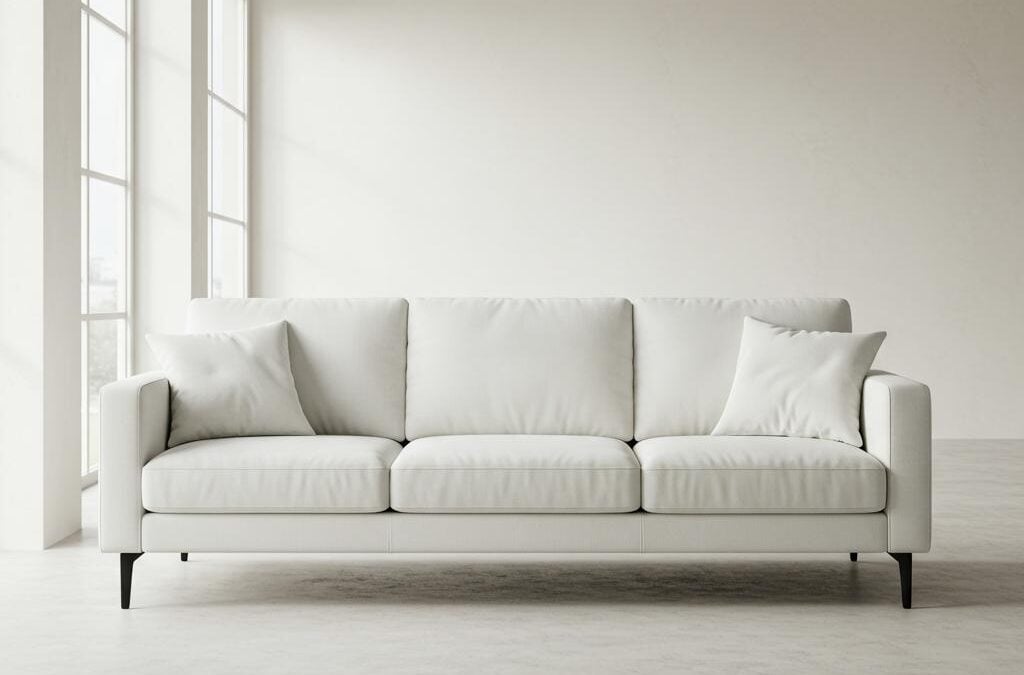
Eco-friendly upholstery cleaning methods, also known as green upholstery cleaning methods, use low-moisture, fabric-matched techniques that lift ground-in soil without harsh chemicals. ATL Clean’s technicians deliver non-toxic sofa cleaning that neutralizes odors at the source and restores fabric integrity. Most couches dry within hours, protecting indoor air quality for North Atlanta families and pets.
Key Takeaways
- Plant-based, non-toxic cleaning agents replace synthetic chemicals without leaving harsh chemical residues behind.
- Fabric identification prevents watermarks, crushed pile, or foam saturation on delicate material fibers.
- Hot-water extraction and low-moisture cleaning each suit different fabrics and soil levels for professional results.
- Preparation requires confirming the fabric code on the tag and vacuuming with a brush attachment before cleaning.
What Are Eco-Friendly Upholstery Cleaning Methods?
Eco-Friendly Upholstery Cleaning Methods replace synthetic chemicals with plant-based, non-toxic cleaning agents. These solutions lift stains and embedded soil without leaving harsh chemical residues behind. Homeowners who skip this approach risk trapping airborne pollutants and allergens deep in fabric fibers, where they degrade indoor air quality month after month.
The process begins with fabric identification. A technician confirms the fiber type before selecting a compatible cleaning agent. This step prevents watermarks, crushed pile, or foam saturation on delicate materials. The method works safely across a broad range of textiles.
Fabric types compatible with eco-friendly cleaning include:
- Microfiber
- Cotton
- Linen
- Delicate blends
An eco-safe pre-spray treats stains and soil before extraction begins. The cleaning lifts ground-in dirt and neutralizes odors at the source. ATL Clean’s technicians apply fabric-matched techniques that restore the seat without damage. Most upholstery dries within hours and is ready for use the same day.
How Do Eco-Friendly Methods Remove Allergens?
Professional eco-friendly cleaning eliminates dust mites, allergens, and odors in a single service. The extraction process pulls biological contaminants from deep within upholstery fibers. No synthetic fragrances or masking agents remain after treatment. For North Atlanta homes, fabric-safe upholstery cleaning delivers this result without compromising indoor air quality.
Are Plant-Based Cleaners Effective on Heavy Soiling?
A plant-based upholstery cleaner breaks down body oils, pet residue, and everyday grime as effectively as traditional solvents. The key lies in proper dwell time and extraction pressure. Technicians adjust both variables based on fabric type and soil level. The outcome is a deep clean that preserves fiber integrity and color vibrancy.
What Prerequisites Do You Need Before Starting?
Preparation determines results in upholstery care. Homeowners should first identify the fabric type and cleaning code on the upholstery tag, because that label dictates which method the fabric tolerates. Skipping this step risks color loss, shrinkage, or pile damage that no cleaning technique can reverse.
Eco-Friendly Upholstery Cleaning Methods begin with three practical prerequisites:
- Confirm the fabric code. Locate the cleaning code on the tag and match the method to the fiber type before any product touches the surface.
- Vacuum with a brush attachment. Remove loose soil, pet hair, and debris so wet cleaning does not drive grit deeper into the weave.
- Select plant-based or biodegradable solutions. Choose formulas that are safe for children and pets, and pre-treat stains with an eco-safe pre-spray.
What Should Homeowners Check on the Upholstery Tag?
The tag carries a cleaning code that signals the safe method for that fabric. A professional confirms fiber type and cleaning method before work begins. Homeowners who read the code first avoid guesswork and protect the warranty on delicate blends.
Does Professional Equipment Replace Household Tools?
Household vacuuming reaches only surface soil. Body oils, spills, and pet hair settle deep into upholstery beyond the reach of standard equipment. ATL Clean technicians bring all supplies and commercial-grade equipment, including truck-mounted systems, and the company charges no hidden fees for materials.
How Do You Perform a DIY Green Spot Clean?
A DIY green spot clean removes fresh upholstery stains using mild, non-toxic solutions and careful technique. Homeowners who act quickly prevent permanent fiber damage and avoid introducing harsh chemicals into living spaces where children and pets spend time.
What Supplies Are Needed for a Safe DIY Spot Clean?
A natural fabric cleaner DIY solution made from mild dish soap and distilled water treats most fresh stains on common upholstery fabrics. The solution requires only a few drops of clear, fragrance-free soap mixed into a spray bottle of distilled water. Distilled water prevents mineral deposits that tap water leaves behind. White microfiber cloths, rather than colored or printed towels, eliminate the risk of dye transfer onto damp upholstery.
What Is the Correct Blotting Technique?
Blotting lifts the stain without driving it deeper into the cushion core. Rubbing spreads the contaminant laterally and forces it past the surface fibers into the padding below, where it becomes far harder to extract. The proper method follows four steps:
- Apply the cleaning solution to a clean microfiber cloth, never directly onto the upholstery.
- Press the dampened cloth firmly onto the outer edge of the stain.
- Lift straight up and rotate to a dry section of the cloth.
- Work inward toward the center, repeating until no further transfer appears on the cloth.
How Are Pet Stains Treated Without Harsh Chemicals?
Safe couch cleaning for pets demands a different approach because urine and vomit contain proteins that standard soap cannot break down. An enzymatic cleaner digests these organic compounds and neutralizes odors at the source. ATL Clean applies this same principle through its pet urine removal process, which uses specialized solutions to eliminate contaminants rather than mask them. Homeowners should saturate the affected area according to the enzyme product instructions and allow the full dwell time specified on the label.
After any spot treatment, the cleaned area requires complete air drying with good ventilation. Most upholstery dries within hours and returns to use the same day. Trapped moisture invites mildew growth that compromises both fabric integrity and indoor air quality.
What Professional Eco-Friendly Methods Work Best?
Professional eco-friendly upholstery cleaning relies on two proven approaches: hot-water extraction and low-moisture cleaning. Each method suits different fabrics and soil levels. ATL Clean matches the technique to the textile before any work begins.
Hot-water extraction anchors the professional toolkit. ATL Clean deploys truck-mounted systems that flush deep-seated soil and allergens from upholstery fibers, then extract the solution for a residue-free finish. The company specializes in hot water extraction across a 20-mile service radius that includes Johns Creek, Peachtree Corners, and Lawrenceville. Technicians apply plant-based pre-sprays and extraction solutions that remain safe for children, pets, and indoor air quality.
Low-moisture options protect delicate textiles. Dry foam and encapsulation methods cut drying time and prevent over-wetting of sensitive fabrics. Method selection follows fabric identification, so microfiber, cotton, linen, and blends each receive appropriate care.
How Does Hot-Water Extraction Remove Allergens?
Truck-mounted hot-water extraction pushes heated solution through upholstery fibers and pulls it back out with suspended soil. The residue-free result eliminates allergens trapped in cushions and seating. Technicians control temperature and pressure to protect fabric structure.
What Keeps Results Consistent From Room to Room?
ATL Clean applies its Detail-Oriented Service System to residential upholstery, offices, and lobbies alike. Standardized checklists keep every job on the same process. Same-crew continuity builds familiarity with each client’s furniture and preferences.
A practical sequence guides every visit:
- Identify the fabric type and confirm the cleaning method.
- Pre-treat stains and high-traffic areas with plant-based solutions.
- Extract soil using truck-mounted hot-water equipment or a low-moisture method.
- Inspect the finished piece and address any missed spot under the 24-Hour Fix Policy.
Homeowners seeking non-toxic results gain a residue-free clean without harsh chemical exposure.
How Do You Maintain Eco-Clean Upholstery Long-Term?
Long-term maintenance of eco-clean upholstery depends on consistent, low-impact habits rather than occasional heavy treatment. Regular care keeps soil from settling deep into fibers, where household vacuuming alone cannot reach it.
Eco-Friendly Upholstery Cleaning Methods begin with a simple weekly routine. Follow these steps in order to protect fabric life and indoor air quality.
- Vacuum upholstery with a HEPA-filter vacuum every one to two weeks. This schedule prevents soil from embedding into fibers.
- Rotate seat cushions and fluff back pillows during each vacuuming session. Even distribution of wear extends the life of the upholstery.
- Schedule professional deep cleaning every 12 to 18 months. This interval removes accumulated allergens and restores fabric appearance.
Does Professional Cleaning Extend Upholstery Life?
Professional deep cleaning rejuvenates upholstery and extends its service life, particularly for family sofas and office seating in daily use. ATL Clean applies its Detail-Oriented Service System to fabric care, and same-crew continuity helps technicians learn each client’s preferences and fabric needs over time. Pet owners preparing for seasonal buildup benefit from a summer upholstery refresh before odors set in.
How Often Should Households Book Deep Cleaning?
A 12-to-18-month cycle suits most households, and homes with pets or heavy daily use sit at the shorter end. Between visits, the vacuuming and rotation habits above carry the load. Consistency matters more than intensity.
FAQ
What are eco-friendly upholstery cleaning methods?
Plant-based, non-toxic cleaning agents replace synthetic chemicals. ATL Clean’s technicians use low-moisture, fabric-matched techniques to lift ground-in soil without harsh residues.
How do eco-friendly methods remove allergens?
The extraction process pulls dust mites, allergens, and odors from deep within upholstery fibers.
Are plant-based cleaners effective on heavy soiling?
Technicians adjust dwell time and extraction pressure based on fabric type and soil level.
Conclusion
Eco-friendly upholstery cleaning methods deliver a residue-free, non-toxic result that protects fabric life and indoor air quality. Homeowners who adopt a weekly HEPA vacuuming routine and schedule professional deep cleaning every 12 to 18 months preserve their furniture investment without harsh chemical exposure. The decision to book a hot-water extraction or low-moisture service ensures plant-based solutions remove allergens and ground-in soil effectively, making the next step a straightforward call to schedule a fabric-matched treatment.